
Redesigned and released a new user dashboard and API, which greatly increased user engagement. By using client feedback to plan the future, they promoted a "User First" philosophy.
As a Technical Product Manager at Edgegap, I ran into a big problem with one of our core products. People had trouble understanding what this product was good for, which caused confusion and a lack of use. This was a rare chance to offer a solution that would improve the user experience and breathe new life into the product.

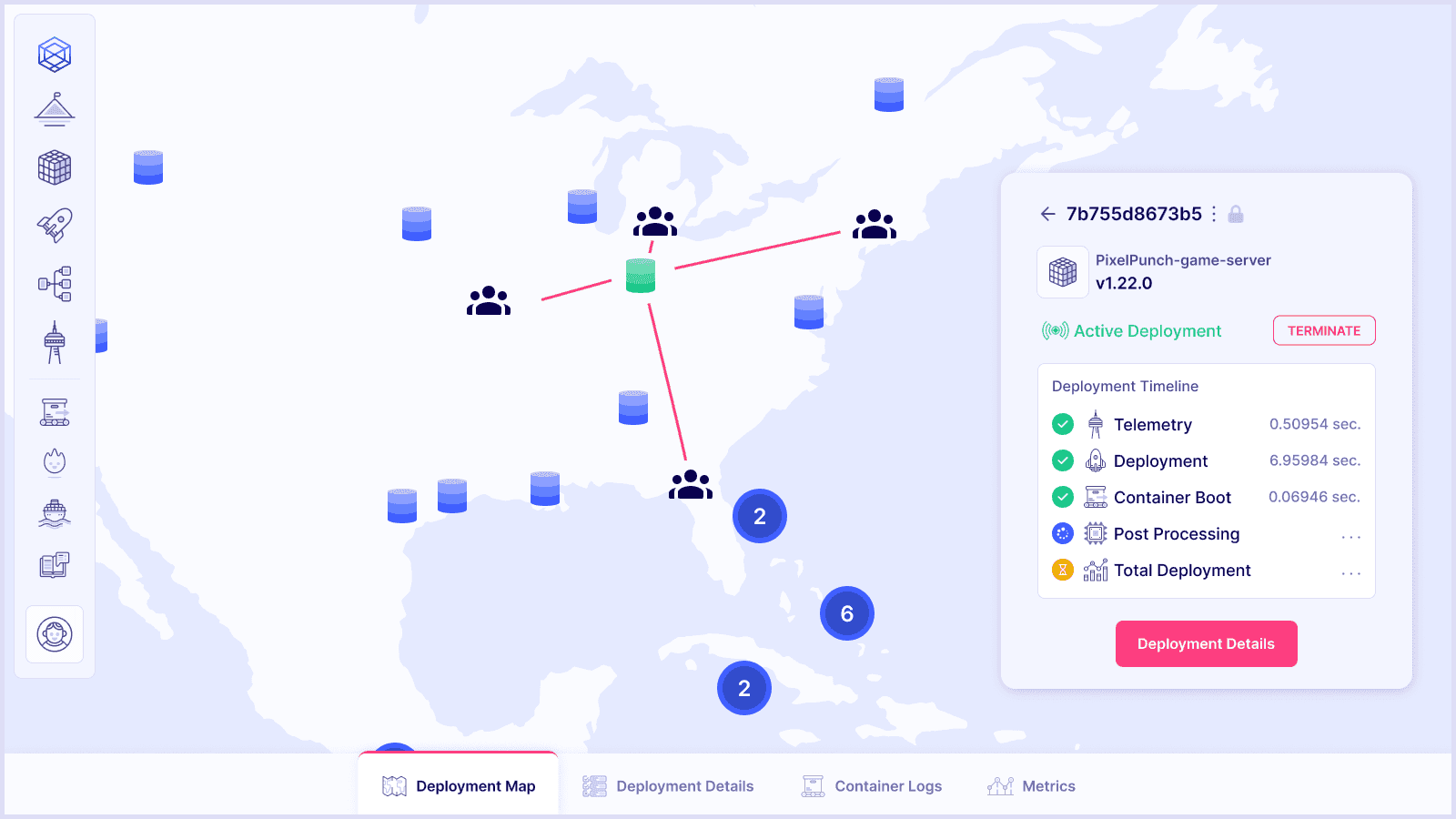

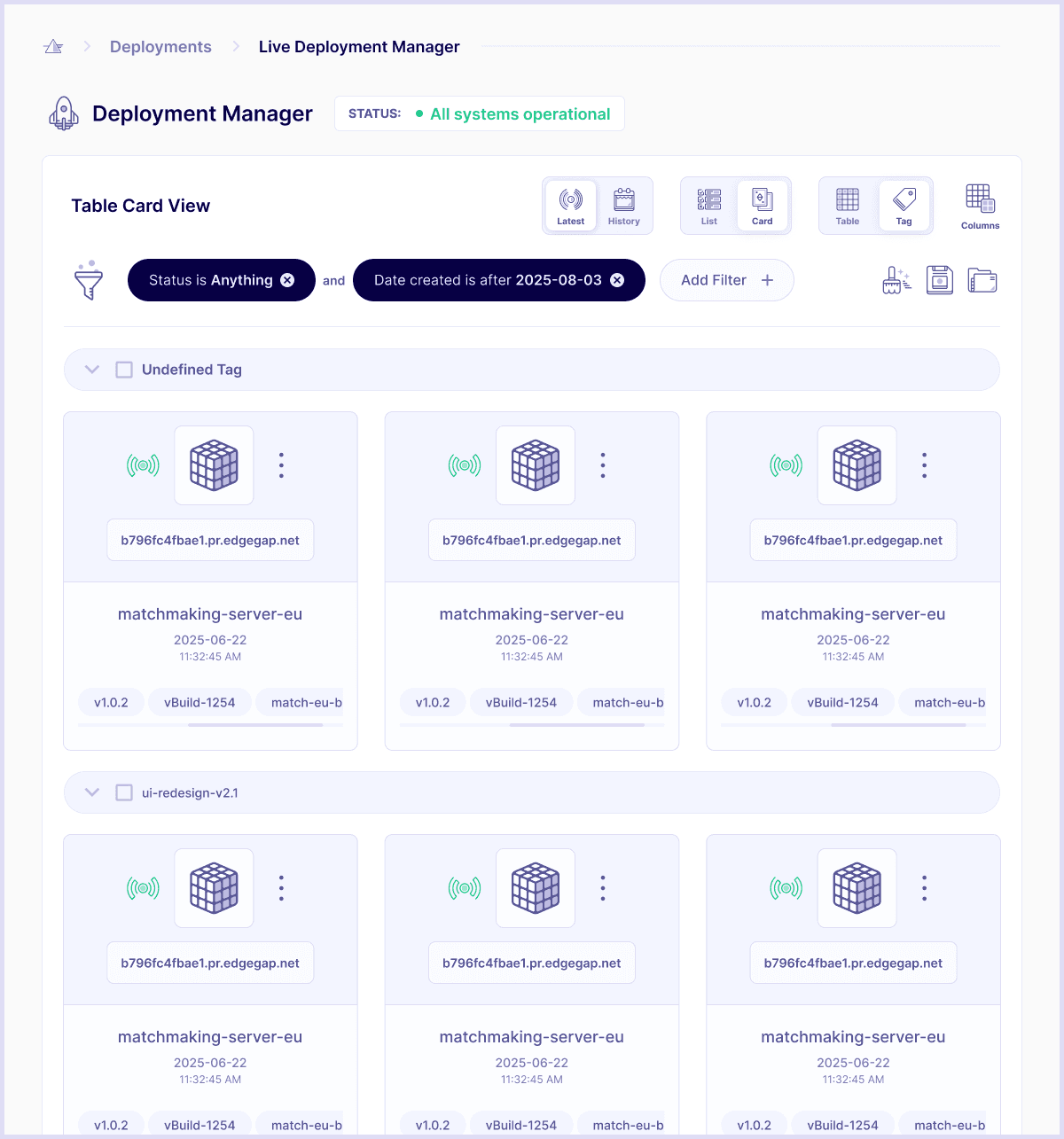
The product had a confusing user interface, bad organization, and messages that weren't clear about what it was supposed to do. The lack of important features and limited documentation made the user experience even worse. A lot of the time, decisions about development were made based on guesses instead of facts.
Had a hard time explaining to users what it was for and why it was useful.
Bad user experience (UX), as shown by feature sets that are hard to find and documentation that isn't clear.
Didn't have important features that clients wanted, so they had to find inefficient ways to work around them.
Not making decisions based on data, which leads to "armchair roadmapping" and bad development.
Better User Experience: We changed the product's structure by grouping features together to make them easier to understand, and we made the documentation better to help users find their way around.
Client-Driven Feature Development: We put client feedback first to find the filter system feature that people really wanted. It gave users a strong reason to use the dashboard often after it was put into action.
Streamlined Onboarding: New users were shown around the site, which made it easy for them to sign up and set up a demo in just a few minutes. This made the onboarding process much better.
Data-Driven Approach: The "build, measure, learn" framework was introduced to replace guesswork with decisions based on data in the product roadmap.
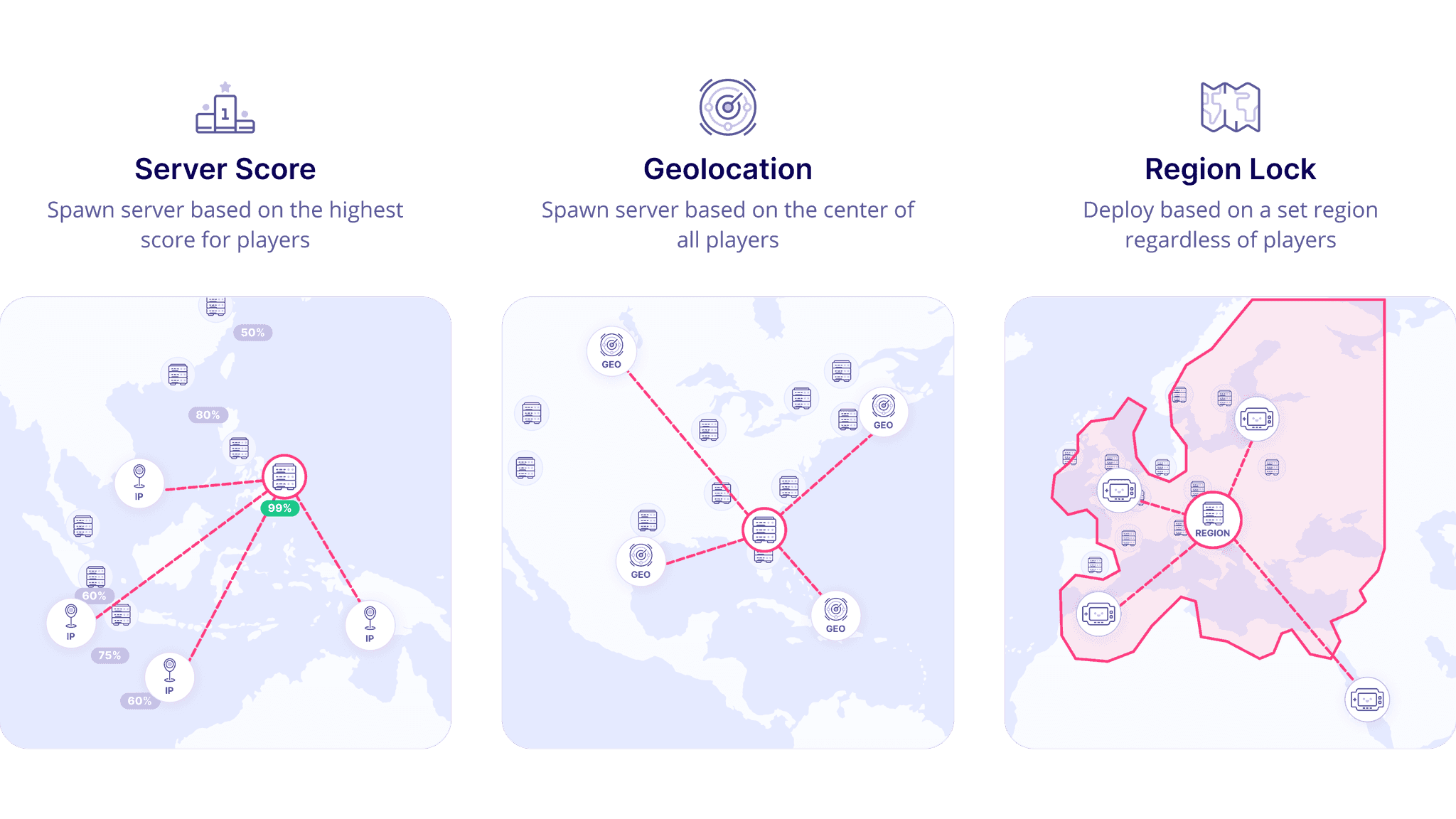
These coordinated efforts led to real results:
More people signed up: The number of people who signed up went from just 5 a month to several a day.
Higher Success Rate for First Deployment: The number of users who successfully completed their first deployment on the first try went from 0% to over 40%.
My work at Edgegap shows that I can find the main problems with a product, come up with good solutions, and put into action plans that help get new users and keep them interested. This experience made me better at UX design, writing, and managing products based on data.